




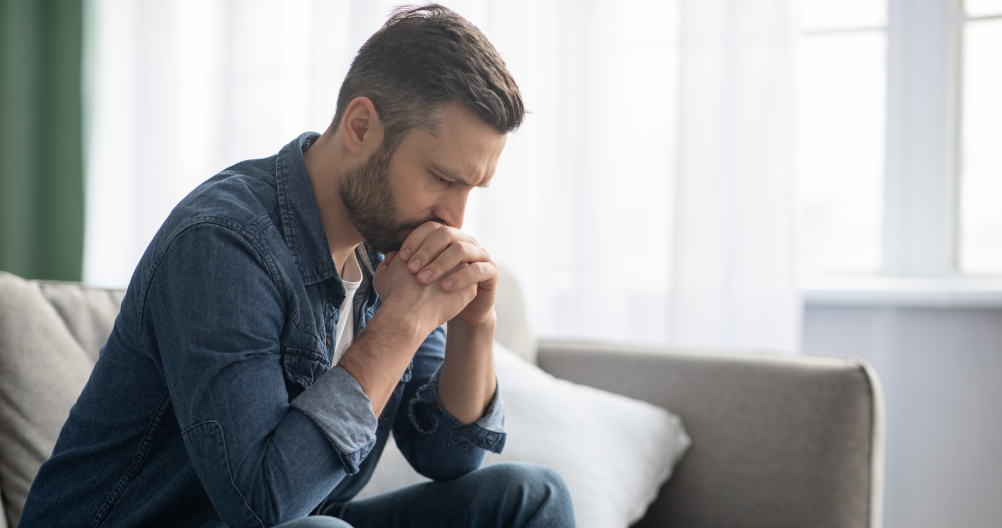

Anxiety can affect nearly every part of daily life, from sleep and relationships to school, work, and physical health. While occasional stress and worry are normal, persistent fear, excessive worry, or recurring panic may be signs of an anxiety disorder. The good news is that anxiety disorders are treatable, and the right support can make a meaningful difference.
If you are looking for anxiety treatment in Maryland, Balance Point Wellness offers individual therapy and medication management for children, teens, and adults. Our therapists and prescribers help individuals explore their concerns, understand their symptoms, and find care that supports their mental health goals. In-person and virtual appointments are available throughout Maryland and Delaware.
What Is an Anxiety Disorder?
Anxiety is a normal human response to stress or uncertainty. However, it may become an anxiety disorder when fear or worry is persistent, difficult to manage, and begins to interfere with everyday life.
Anxiety disorders can affect children, adolescents, and adults. For example, someone may struggle to get through the school day, feel overwhelmed at work, avoid social situations, or have trouble sleeping because of constant worry.
Anxiety can also affect physical health. Some people experience muscle tension, headaches, stomach discomfort, or a racing heartbeat.
At Balance Point Wellness, we understand that anxiety looks different for everyone. Our team provides individual therapy and medication management to help children, teens, and adults explore treatment options based on their needs.
How Common Are Anxiety Disorders?
Anxiety disorders are among the most common mental health conditions in the United States. They affect people of different ages and backgrounds.
According to recent national data:
- About 19% of U.S. adults reported having been diagnosed with an anxiety disorder at some point, based on 2024 data.
- Approximately 11% of children ages 3–17 had a current diagnosed anxiety disorder in 2023–2024.
These numbers show how commonly anxiety affects individuals and families. However, statistics do not tell the whole story. Many people experience symptoms without receiving a formal diagnosis.
Anxiety can develop for several reasons, including genetics, brain biology, personality, stressful experiences, and environmental factors. Often, more than one factor plays a role.
For additional information, visit the National Institute of Mental Health’s overview of anxiety disorders.
Common Symptoms of Anxiety Disorders
Anxiety can affect emotions, physical health, thoughts, and behavior. Although symptoms vary from person to person, they often fall into three general categories.
Emotional Symptoms
Emotional symptoms may include:
- Excessive worry or fear
- Feeling overwhelmed or constantly on edge
- Irritability or restlessness
- Difficulty relaxing
- Feeling that something bad may happen
- Trouble managing uncertainty
Physical Symptoms
Anxiety can also cause physical reactions, such as:
- Rapid heartbeat
- Shortness of breath
- Muscle tension
- Headaches or fatigue
- Sweating or trembling
- Sleep difficulties
- Nausea, stomach discomfort, or digestive changes
These symptoms can sometimes feel frightening. However, physical symptoms may be connected to anxiety and are worth discussing with a healthcare professional, especially when they are new or unexplained.
Behavioral Symptoms
Behavioral changes may include:
- Avoiding feared situations or activities
- Difficulty concentrating
- Withdrawing from social activities
- Repeatedly seeking reassurance
- Procrastinating because of fear or worry
- Struggling with everyday responsibilities
Over time, these patterns can affect relationships, school, work, and confidence.
Anxiety in Children and Adolescents
Anxiety does not only affect adults. Children and teenagers can also experience persistent worry and fear, although their symptoms may look different.
For younger children, anxiety may appear as frequent stomachaches, difficulty separating from caregivers, or repeated requests for reassurance. In teenagers, it may show up as irritability, social withdrawal, trouble sleeping, or difficulty managing school-related stress.
Other signs may include:
- Avoiding school or certain activities
- Frequent worries about making mistakes
- Fear of being judged by peers
- Trouble sleeping alone
- Physical complaints without an obvious explanation
- Becoming upset when routines or plans change
Because children may not always know how to explain what they are feeling, parents and caregivers may notice changes in behavior first.
Early support can help children and teens develop coping skills and better understand their emotions. Balance Point Wellness offers therapy and medication management for children and adolescents, with care based on each individual’s needs.
Types of Anxiety Disorders
There are several types of anxiety disorders. Each has its own symptoms and challenges. Understanding the differences can help individuals recognize what they may be experiencing.
Generalized Anxiety Disorder (GAD)
Generalized anxiety disorder involves excessive, ongoing worry about different areas of life, such as family, health, finances, school, or work.
People with GAD may find it difficult to control their worries, even when there is no clear reason for concern. Symptoms can include restlessness, fatigue, muscle tension, irritability, and trouble sleeping.
Panic Disorder
Panic disorder involves recurring, unexpected panic attacks and ongoing concern about having another attack or changing behavior because of them.
A panic attack can cause intense fear along with physical symptoms such as:
- Rapid heartbeat
- Chest discomfort
- Dizziness
- Shortness of breath
- Sweating or trembling
- A feeling of losing control
Panic attacks can feel overwhelming. However, experiencing a panic attack does not automatically mean someone has panic disorder.
Social Anxiety Disorder
Social anxiety disorder involves an intense fear of being judged, embarrassed, or negatively evaluated by others.
Someone with social anxiety may avoid conversations, public speaking, social gatherings, or other situations where they feel they are being observed. As a result, anxiety can interfere with friendships, school, work, and everyday interactions.
Specific Phobias
Specific phobias involve an intense fear of a particular object or situation that is greater than the actual danger.
Common examples include fear of:
- Heights
- Flying
- Animals or insects
- Needles or medical procedures
- Enclosed spaces
People with specific phobias may go out of their way to avoid the thing they fear. In some cases, this avoidance can affect daily routines and activities.
Separation Anxiety Disorder
Separation anxiety disorder involves excessive fear or distress about being away from a person to whom someone is emotionally attached.
Although it is common for young children to experience some separation anxiety, the fear may become a concern when it is persistent, intense, and interferes with daily activities. It can also affect older children, teenagers, and adults.
Agoraphobia
Agoraphobia involves fear or anxiety about situations where escape might feel difficult or help might not be available if panic-like symptoms occur.
Someone may avoid public transportation, crowded places, open spaces, or leaving home alone. Over time, these fears can make everyday activities more challenging.
A note about OCD and PTSD: Obsessive-compulsive disorder (OCD) and post-traumatic stress disorder (PTSD) can both involve significant anxiety. However, they are classified separately from anxiety disorders. OCD involves obsessions and compulsions, while PTSD can develop after exposure to trauma and may involve intrusive memories, avoidance, and changes in mood or alertness.
Treatment for Anxiety Disorders in Maryland & Delaware
Anxiety disorders are treatable, and professional support can help individuals better understand their symptoms and develop ways to manage them.
Treatment depends on the type of anxiety, symptom severity, age, personal history, and individual needs. It may include therapy, medication, or a combination of approaches.
Individual Therapy
Therapy provides a supportive space to explore worries, understand emotional patterns, and develop healthier ways to respond to stress.
Cognitive behavioral therapy (CBT) is one well-established approach used to treat many anxiety disorders. It helps individuals recognize unhelpful thought patterns and learn practical strategies for responding to anxious feelings.
Therapy may also help individuals:
- Identify situations that trigger anxiety
- Develop coping and relaxation skills
- Reduce avoidance behaviors
- Build confidence in challenging situations
- Improve relationships and daily functioning
At Balance Point Wellness, our therapists work with children, teens, and adults to address anxiety and other mental health concerns. Finding a therapist who understands your needs and helps you feel comfortable is an important part of the process.
Learn more about our individual therapy services.
Medication Management
Medication may be helpful for some individuals, depending on their symptoms and treatment needs.
A prescriber can discuss available options, potential benefits, and possible side effects. Medication may be used on its own or alongside therapy.
At Balance Point Wellness, our prescribers provide medication management for children, teens, and adults. When appropriate, therapists and prescribers can collaborate to support an individual’s overall mental health care.
Explore our medication management services.
Coping Skills and Stress Management
In addition to professional treatment, everyday habits can help support emotional well-being.
For example, individuals may benefit from:
- Maintaining a consistent sleep schedule
- Incorporating physical activity into their routine
- Practicing slow breathing or grounding exercises
- Limiting caffeine if it worsens anxiety
- Breaking overwhelming tasks into smaller steps
- Staying connected with supportive friends and family
These strategies do not replace professional treatment. However, they can complement therapy and help individuals manage everyday stress.
For more information about anxiety treatment and available approaches, visit the National Institute of Mental Health.
When Should You Seek Help for Anxiety?
It can be difficult to know when everyday stress has become something more. However, you do not need to wait until anxiety feels unmanageable to seek support.
Consider reaching out to a mental health professional if anxiety:
- Interferes with school, work, or relationships
- Feels constant or difficult to control
- Leads you to avoid everyday activities
- Causes recurring physical symptoms
- Makes it difficult to sleep or concentrate
- Affects your ability to enjoy activities or spend time with others
Even if you are unsure whether your symptoms meet the criteria for an anxiety disorder, a mental health professional can help you explore what you are experiencing and discuss possible next steps.
Anxiety Treatment at Balance Point Wellness
If anxiety is affecting your daily life, you do not have to manage it alone. Balance Point Wellness provides individual therapy and medication management for children, teens, and adults throughout Maryland and Delaware.
Our therapists and prescribers work with individuals experiencing anxiety, stress, depression, and other mental health concerns. We understand that choosing a provider is a personal decision, and our team can help you explore available care options.
We offer:
- Individual therapy and medication management
- Services for children, teens, and adults
- In-person appointments in Hunt Valley, Bel Air, Overlea, Baltimore, and Salisbury, Maryland
- Virtual appointments throughout Maryland and Delaware
- Acceptance of most major insurance plans
Intake appointments can often be scheduled within approximately 24 hours, depending on provider availability.
Whether you are looking for support for yourself or your child, finding the right provider can be an important step toward feeling more balanced and supported.
To get started, you can meet our Maryland providers or explore our Delaware services.
You can also request an appointment or call Balance Point Wellness at 410-800-2169.
Frequently Asked Questions About Anxiety Disorders
What causes anxiety disorders?
Anxiety disorders can develop from a combination of genetic, biological, psychological, and environmental factors. Stressful experiences and family history may also play a role.
Can anxiety disorders affect both children and adults?
Yes. Anxiety disorders can develop at any age. Children, teenagers, and adults may experience different symptoms, but all can benefit from appropriate support and treatment.
Are anxiety disorders treatable?
Yes. Anxiety disorders are treatable. Therapy, medication when appropriate, and coping strategies can help individuals manage symptoms and improve daily functioning.
What is the most effective treatment for anxiety?
There is no single treatment that works best for everyone. Cognitive behavioral therapy is a well-established treatment for many anxiety disorders. Medication may also be helpful, depending on the individual’s symptoms and needs.
Does Balance Point Wellness treat anxiety in Maryland and Delaware?
Yes. Balance Point Wellness offers individual therapy and medication management for children, teens, and adults. In-person appointments are available at select Maryland offices, and virtual services are available throughout Maryland and Delaware.
How do I make an appointment for anxiety treatment?
You can visit the Balance Point Wellness appointment page or call 410-800-2169 to ask about available providers and appointment options.