


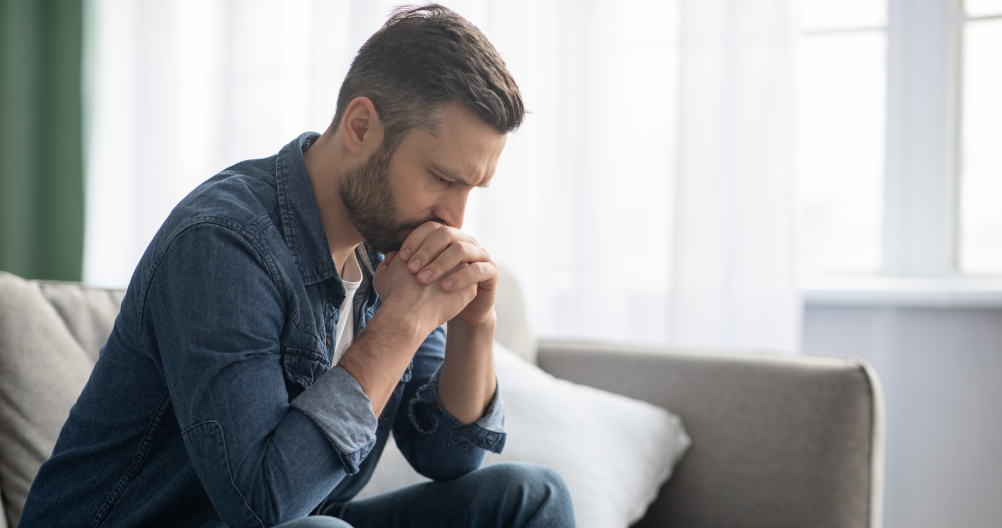



What does anxiety feel like? For some people, it feels like constant worry or racing thoughts. For others, it causes physical symptoms, such as a pounding heart, tense muscles, or an upset stomach. Anxiety can affect both your mind and body, making everyday tasks feel more difficult.
Occasional anxiety is a normal part of life. However, when worry becomes hard to control or starts to interfere with your daily routine, it may be time to seek support.
At Balance Point Wellness, our therapists and prescribers help children, teens, and adults manage anxiety and improve their mental well-being. With in-person offices throughout Maryland and virtual appointments available across Maryland and Delaware, support is available in a way that fits your needs.
Common Signs and Symptoms of Anxiety
Anxiety can affect both your mind and body. Although symptoms vary from person to person, common signs of anxiety include:
Physical symptoms:
- Racing or pounding heart
- Shortness of breath or chest tightness
- Muscle tension or headaches
- Upset stomach, nausea, or digestive problems
- Dizziness, sweating, or trembling
- Fatigue or difficulty sleeping
Emotional and mental symptoms:
- Constant worry or fear
- Racing thoughts that are hard to control
- Feeling restless, nervous, or on edge
- Trouble concentrating or making decisions
- Irritability or feeling overwhelmed
- Difficulty relaxing, even when things seem fine
You may experience only a few of these symptoms or several at once. If they happen often or begin to interfere with your daily life, talking with a mental health professional may help.
What Does Anxiety Feel Like?
Anxiety can look different from person to person. You might feel nervous before a big event, worry about things that could go wrong, or struggle to relax even when everything seems fine.
In addition, anxiety can make it difficult to focus, make decisions, or enjoy activities you usually like. You may feel restless or on edge without knowing exactly why.
Although some anxiety is normal, ongoing worry can become overwhelming. When anxiety begins to affect your relationships, work, school, or sleep, talking with a mental health professional may help.
What Does Anxiety Feel Like Physically?
Anxiety does not just affect your thoughts and emotions. It can also trigger physical changes as your body responds to stress.
Racing Heart and Shortness of Breath
You may notice your heart beating faster, your chest feeling tight, or your breathing becoming shallow. These symptoms can feel frightening, especially when they happen unexpectedly.
Muscle Tension and Stomach Problems
Anxiety can cause tight muscles, headaches, nausea, stomach discomfort, or changes in digestion. For example, you might notice stomach pain before a stressful conversation or feel tense throughout the day.
Dizziness, Sweating, and Trembling
Some people experience dizziness, shaky hands, sweating, or a feeling of weakness when anxiety increases. These reactions can happen when your body responds to stress.
Fatigue and Sleep Problems
Anxiety can make it difficult to fall asleep or stay asleep. As a result, you may feel tired during the day, have trouble concentrating, or find it harder to manage everyday stress.
Physical symptoms can have many causes. Therefore, new, severe, or unexplained symptoms should not automatically be blamed on anxiety. Seek medical attention when needed, especially for chest pain or significant trouble breathing.
What Are the Emotional Symptoms of Anxiety?
Anxiety can affect how you think, feel, and respond to situations. While physical symptoms may be more noticeable, emotional symptoms can be just as challenging.
Common emotional symptoms include:
- Constant worry about everyday situations or future events
- Racing thoughts that are difficult to quiet
- Feeling restless, nervous, or on edge
- Trouble concentrating or making decisions
- Irritability or feeling easily overwhelmed
- Fear that something bad is going to happen
- Difficulty relaxing, even during quiet moments
For example, you might replay a conversation in your head long after it ends or spend hours worrying about a problem that has not happened. Over time, these patterns can affect your confidence and make daily life feel more stressful.
How Do You Know If You Have Anxiety?
Feeling anxious from time to time does not necessarily mean you have an anxiety disorder. However, it may be helpful to seek support if worry feels difficult to control or begins to interfere with your life.
Consider talking with a professional if you regularly experience:
- Worry that feels excessive or hard to manage
- Physical symptoms that occur during stressful situations
- Difficulty sleeping because of anxious thoughts
- Avoidance of places or activities because of fear
- Trouble keeping up with work, school, or relationships
A mental health professional can help you understand your symptoms and determine what kind of support may be appropriate. They can also help you explore whether other factors may be contributing to how you feel.
For additional information about anxiety, treatment options, and mental health support, visit the National Alliance on Mental Illness (NAMI).
What Does an Anxiety Attack Feel Like?
An anxiety attack can involve a sudden increase in fear, worry, or physical discomfort. You might notice a racing heart, trembling, sweating, dizziness, or difficulty catching your breath.
During an intense episode, you may feel overwhelmed or afraid that something is seriously wrong. These sensations can be frightening, especially if you have not experienced them before.
Although the terms are sometimes used interchangeably, an anxiety attack is not a formal medical diagnosis. A panic attack is a specific episode of intense fear or discomfort that may include symptoms such as a pounding heart, shortness of breath, or a sense of losing control.
If these episodes happen repeatedly or cause you to avoid everyday activities, a mental health professional can help you understand what is happening and discuss treatment options.
Can Anxiety Cause Physical Symptoms?
Yes. Anxiety can activate the body’s stress response, which may lead to physical changes. Your heart rate may increase, your muscles may tighten, and your digestion may change.
For some people, these symptoms occur during stressful situations. For others, they may appear even when there is no obvious trigger.
Because anxiety symptoms can overlap with other medical conditions, it is important not to assume anxiety is the cause without considering other possibilities. If symptoms are new, severe, persistent, or concerning, seek medical advice.
Can Therapy Help With Anxiety?
Therapy can help you understand what contributes to your anxiety and learn ways to manage it. Rather than trying to avoid every stressful situation, you can work with a therapist to develop skills that help you respond to stress more effectively.
Depending on your needs, therapy may help you:
- Recognize patterns in anxious thoughts
- Identify situations that trigger worry
- Build healthy coping skills
- Practice relaxation and grounding techniques
- Improve confidence when facing stressful situations
- Manage anxiety at work, school, and home
For example, a therapist may help you notice how certain thoughts increase your anxiety and practice more balanced ways of responding.
Learn more about individual therapy at Balance Point Wellness.
Can Medication Help With Anxiety?
For some people, medication may help reduce anxiety symptoms. Whether medication is appropriate depends on your symptoms, health history, and treatment goals.
A prescriber can discuss available options, explain potential benefits and side effects, and help determine whether medication may be useful. In some cases, combining medication management with therapy may provide additional support.
At Balance Point Wellness, our team offers medication management as part of individualized mental health care.
Anxiety Therapy at Balance Point Wellness
If anxiety is making everyday life more difficult, you do not have to figure everything out on your own. Support can help you better understand your symptoms, develop coping skills, and feel more prepared to handle life’s challenges.
Balance Point Wellness offers therapy and medication management for children, teens, and adults. In-person appointments are available in Hunt Valley, Bel Air, Overlea, Baltimore, and Salisbury, Maryland. Virtual services are also available throughout Maryland and Delaware.
Most insurance plans are accepted, and new patient intakes can typically be scheduled within 24 hours, depending on availability.
To learn more about our team, Maryland locations, or virtual therapy services, visit our website.
Call 410-800-2169 or visit bpointwellness.com to get started.
Frequently Asked Questions About Anxiety
What are the first signs of anxiety?
Early signs may include frequent worry, restlessness, trouble concentrating, muscle tension, or difficulty sleeping. Symptoms vary, so not everyone experiences anxiety in the same way.
Can anxiety cause stomach problems?
Yes. Anxiety can affect digestion and may contribute to nausea, stomach discomfort, or changes in bowel habits. However, persistent or severe digestive symptoms should be discussed with a medical professional.
Can anxiety cause dizziness or shortness of breath?
Anxiety can contribute to dizziness and changes in breathing. However, these symptoms can also have other causes. Seek medical care for new, severe, or unexplained symptoms.
Can anxiety affect sleep?
Yes. Worry and racing thoughts can make it harder to fall asleep or stay asleep. Poor sleep can then make it more difficult to manage stress the next day.
When should I seek therapy for anxiety?
Consider therapy when anxiety feels difficult to manage, continues over time, or interferes with your daily activities, relationships, work, school, or sleep. You do not need to wait until symptoms become overwhelming to seek support.
Does Balance Point Wellness offer anxiety treatment?
Yes. Balance Point Wellness offers therapy and medication management for children, teens, and adults. In-person services are available at five Maryland office locations, and virtual care is available throughout Maryland and Delaware. Most insurance plans are accepted.
If anxiety is affecting your daily life, our team can help you explore your options. Call 410-800-2169 or visit bpointwellness.com to learn more.
Meet Our Team of Therapists and Prescribers