




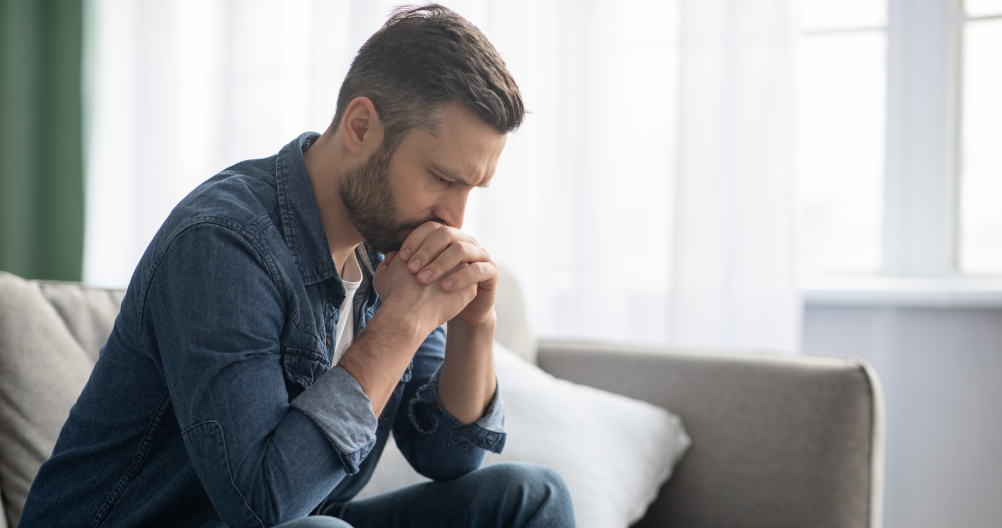

Anxiety can affect many parts of daily life, from work and school to relationships and sleep. While occasional worry is a normal response to stress, ongoing or overwhelming anxiety can make everyday responsibilities feel harder to manage. Fortunately, anxiety treatment in Maryland can help people better understand their symptoms and develop tools to cope.
At Balance Point Wellness, we provide individual therapy and medication management for children, teens, and adults. Our therapists and prescribers help clients explore treatment options and find an approach that fits their needs.
Whether you are looking for ways to manage everyday stress or considering professional support, these 10 practical tips can help you take steps toward better mental health.
Understanding Anxiety
Anxiety is the body’s natural response to stress or a perceived threat. It can show up in different ways, including racing thoughts, restlessness, irritability, trouble concentrating, and physical symptoms such as a rapid heartbeat or shallow breathing.
However, when anxiety becomes persistent or begins interfering with daily life, it may be a sign of an anxiety disorder.
Common anxiety disorders include:
- Generalized Anxiety Disorder (GAD)
- Social Anxiety Disorder
- Panic Disorder
- Specific Phobias
Recognizing how anxiety affects you is an important first step. From there, you can begin exploring strategies and support that may help.
10 Practical Tips for Managing Anxiety
Everyone experiences anxiety differently. As a result, some strategies may work better for you than others. Consider trying the following techniques and pay attention to what helps.
1. Practice Deep Breathing
When anxiety increases, your breathing may become faster or more shallow. Slow, controlled breathing can help you feel more grounded.
For example, try breathing in slowly through your nose and exhaling gently through your mouth. You can also explore the 4-7-8 breathing technique: inhale for four seconds, hold for seven seconds, and exhale for eight seconds. If holding your breath feels uncomfortable, simply return to a comfortable breathing pattern.
2. Ground Yourself in the Present
Anxiety often involves worrying about what might happen next or replaying something from the past. Grounding exercises can help bring your attention back to the present moment.
One option is the 5-4-3-2-1 technique:
- Name five things you can see.
- Notice four things you can touch.
- Identify three things you can hear.
- Notice two things you can smell.
- Identify one thing you can taste.
This simple exercise can give your mind something concrete to focus on when anxious thoughts feel overwhelming.
3. Pay Attention to Caffeine
Caffeine can increase physical sensations such as a racing heart or jitteriness. For some people, these feelings can make anxiety more noticeable.
If you find that coffee, energy drinks, or other caffeinated beverages affect how you feel, consider reducing your intake. In addition, notice whether certain habits or situations seem to make your symptoms worse.
4. Make Time for Physical Activity
Movement can be a helpful way to manage stress and support emotional well-being. For example, walking, stretching, dancing, or riding a bike can provide a break from anxious thoughts.
You do not need an intense workout to get started. Even a short walk around your neighborhood may help you feel more relaxed. The most important thing is finding an activity you enjoy and can maintain.
5. Challenge Anxious Thoughts
Anxiety can make worst-case scenarios feel certain, even when there is little evidence to support them.
Cognitive Behavioral Therapy (CBT), a commonly used approach to treating anxiety, helps people recognize unhelpful thought patterns and consider more balanced perspectives.
When an anxious thought comes up, ask yourself:
- What evidence supports this thought?
- Am I assuming the worst will happen?
- Is there another way to look at this situation?
- What would I say to a friend who had this concern?
Over time, practicing these questions may help you respond to anxious thoughts differently.
6. Create a Consistent Routine
A predictable routine can provide a sense of structure during stressful periods. In addition, consistent habits may make it easier to care for your mental and physical well-being.
Try to maintain regular sleep and meal times, make room for movement, and set aside time to relax. Small habits, such as taking a few quiet minutes before bed or planning your day each morning, can also help.
7. Stay Connected with Others
When anxiety feels overwhelming, it can be tempting to withdraw from friends and family. However, staying connected can help you feel supported and less alone.
Consider talking with someone you trust about what you are experiencing. You do not have to have all the answers or explain everything perfectly. Sometimes, simply having someone listen can make a difference.
If anxiety is affecting your relationships or social life, a therapist can also help you explore those challenges.
8. Explore Mindfulness
Mindfulness involves paying attention to the present moment without judging your thoughts or feelings. Although it may take practice, mindfulness can help you become more aware of how anxiety shows up.
For example, you might try a short guided meditation, a mindful walk, or a few minutes of quiet breathing. There is no need to make it complicated. Start with a few minutes and build from there if it feels helpful.
The National Institute of Mental Health offers additional information about anxiety disorders and treatment options.
9. Consider Professional Support
Self-help strategies can be useful. However, they may not be enough when anxiety is frequent, intense, or interfering with everyday responsibilities.
Working with a mental health professional can help you better understand your symptoms and identify treatment options. Depending on your needs, care may include individual therapy, medication management, or a combination of both.
At Balance Point Wellness, our therapists and prescribers can collaborate when appropriate to support your mental health goals.
10. Practice Self-Compassion
Living with anxiety can be frustrating, especially when you feel like you should be able to control your worries. However, anxiety is not a personal failure.
Try to treat yourself with the same patience you would offer someone you care about. Recognize small steps forward, allow yourself time to work through difficult moments, and remember that progress does not have to happen all at once.
Anxiety Treatment in Maryland at Balance Point Wellness
If anxiety is affecting your daily life, professional support may help you find a path forward. At Balance Point Wellness, we offer individual therapy and medication management for children, teens, and adults.
Our services include:
- Individual Therapy: Work with a therapist to explore concerns, develop coping strategies, and work toward personal goals.
- Medication Management: Meet with a prescriber to discuss whether medication may be an appropriate part of your treatment.
We offer in-person appointments in Bel Air, Hunt Valley, Overlea, Baltimore, and Salisbury, Maryland. Virtual appointments are also available throughout Maryland and Delaware.
We accept most major insurance plans. Additionally, intake appointments can often be scheduled within approximately 24 hours, depending on provider availability.
Learn more about our individual therapy services and medication management. You can also explore our Maryland locations to find a convenient office.
Finding Anxiety Support in Harford County
For individuals and families in Harford County, having access to local mental health care can make it easier to stay connected to support. Balance Point Wellness offers in-person appointments at our Bel Air location, as well as virtual care for people throughout Maryland.
Whether you are experiencing ongoing worry, difficulty managing stress, or symptoms that are affecting your relationships and daily routine, you do not have to figure everything out on your own.
Final Thoughts
Anxiety can feel overwhelming, but there are ways to manage it. Simple strategies such as deep breathing, grounding exercises, physical activity, and mindfulness may help you cope with everyday stress. However, when anxiety begins interfering with your quality of life, professional support can provide additional guidance.
At Balance Point Wellness, our therapists and prescribers are here to help you explore your options and find care that fits your needs.
To learn more about anxiety treatment in Maryland or request an appointment, call 410-800-2169 or visit our appointment page.
Source
- Exercise for Stress and Anxiety — Anxiety & Depression Association of America