




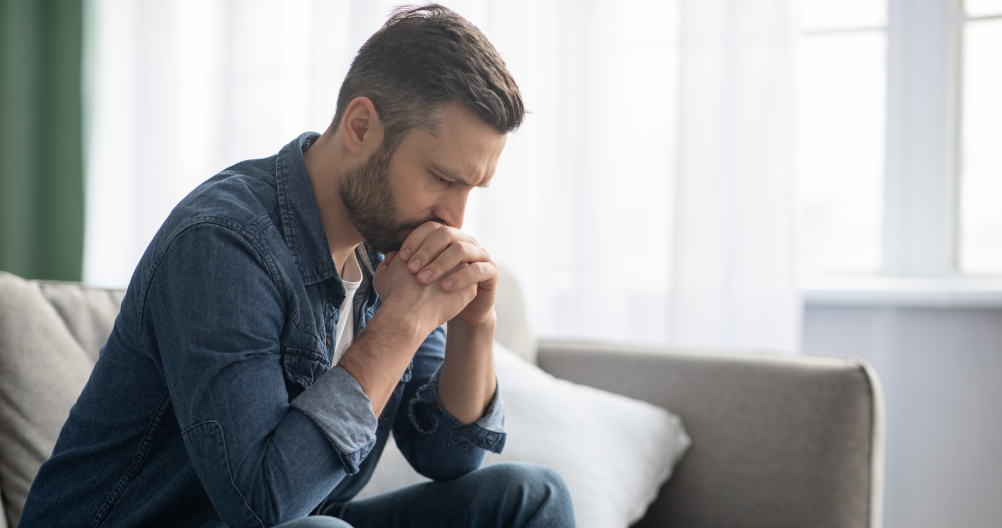

Mental health after COVID continues to be an important topic as people adjust to changes in daily life. The pandemic changed how many people work, socialize, and connect with others. For some, returning to familiar routines brought unexpected anxiety, stress, and uncertainty. Others continue to experience loneliness, changes in mood, or difficulty managing everyday responsibilities.
Although the pandemic changed over time, its emotional effects did not disappear for everyone. Understanding these challenges can help you recognize when you may need extra support and find healthy ways to move forward.
How COVID Changed Mental Health
The COVID-19 pandemic brought major changes to everyday life. Many people adjusted to working from home, social distancing, wearing masks, and spending more time alone.
Over time, these changes became part of daily routines. However, returning to social activities, workplaces, and other familiar settings created a new set of challenges.
In May 2021, as communities began easing pandemic restrictions, mental health professionals noticed that some patients felt anxious about returning to normal activities. Even positive changes can bring uncertainty when people have grown accustomed to a different way of life.
The transition also reminded people that life might not look exactly the same as it did before the pandemic.
Understanding Anxiety After COVID
Returning to familiar routines can feel overwhelming, especially after a long period of isolation. Some people may worry about social situations, crowded places, workplace expectations, or reconnecting with others.
Others may experience:
- Increased anxiety about health and safety.
- Difficulty adjusting to social situations.
- Feelings of loneliness or isolation.
- Stress related to work and family responsibilities.
- Changes in sleep or daily routines.
- Irritability or difficulty managing emotions.
These experiences can affect people differently. Even if you did not struggle with your mental health before the pandemic, major life changes can affect your emotional well-being.
What Balance Point Wellness Shared About Returning to Normal
Balance Point Wellness was featured in a May 2021 47 ABC news story about the mental health challenges people faced as pandemic restrictions began to ease.
Jonathan Pobst, a Master Social Worker with Balance Point Wellness, discussed how another major transition could bring feelings of doubt, fear, and anxiety.
He explained that people had already adjusted to one significant change when the pandemic began. As life shifted again, he encouraged people to remember their ability to adapt and work through uncertainty.
His message was simple: You made it through one major transition, and you can work through this one, too.
Pobst also encouraged people to continue practicing healthy stress management strategies. These included talking with a mental health professional, taking a mental health day, and going for walks during the day.
Read the original 47 ABC feature: Mental Health Professionals Discuss the Return to Normalcy
Ways to Support Your Mental Health After COVID
Everyone adjusts to change at a different pace. Fortunately, small steps can help you manage stress and support your emotional well-being.
1. Give yourself time to adjust
You do not need to make every change at once. Start with activities that feel comfortable and gradually build your routine.
2. Maintain healthy routines
Consistent sleep, regular meals, and physical activity can support emotional health. Try to make time for activities that help you feel balanced.
3. Stay connected with others
Reach out to friends and family. Even a short conversation can help reduce feelings of loneliness and isolation.
4. Practice healthy coping strategies
Deep breathing, mindfulness, walking, and other relaxing activities can help manage everyday stress.
5. Set realistic expectations
Avoid putting pressure on yourself to feel a certain way. Give yourself permission to adjust at your own pace.
6. Consider professional support
If anxiety, sadness, or stress begins to interfere with daily life, talking with a mental health professional may help. Therapy provides a supportive space to explore your feelings and develop practical coping strategies.
When Should You Consider Therapy?
Sometimes, emotional challenges last longer than expected. You may notice changes in your mood, relationships, sleep, or ability to manage everyday responsibilities.
A therapist can help you better understand these concerns and develop strategies to manage them.
Balance Point Wellness offers individual therapy and medication management for children, teens, and adults. Our therapists and prescribers work with individuals to find treatment options that meet their needs.
Explore our individual therapy services and medication management services.
Find Support for Your Mental Health
The effects of COVID look different for everyone. However, you do not have to navigate emotional challenges alone. Taking small steps toward better mental health can make a meaningful difference.
Balance Point Wellness provides in-person appointments throughout Maryland and virtual services in Maryland and Delaware. We offer a supportive environment where you can find care that fits your needs.
Ready to take the next step? Meet our providers or request an appointment.